How to search patents on USPTO and export results
PatViz Team
Patent Analysis Experts
USPTO
genric things about USPTO
Patent analysis has traditionally been a text-heavy, time-consuming process that required hours of manual review and interpretation. However, the emergence of visual patent analysis tools is revolutionizing how intellectual property professionals approach their work.
Using USPTO
USPTO provides a free patent database to query patents from. There are types of search tools in USPTO:
The advanced search in USPTO privides a way to export result as a csv file (compatible with excel and PatViz). Our team at PatViz emplores patent practioners to use the advanced search tool becuase it allows more options to search patents systematically through queries.
The Challenge with Traditional Patent Analysis
Traditional patent search and analysis methods present several challenges:
- Information Overload: Patent databases contain millions of documents with complex technical language
- Time-Intensive Process: Manual review of search results can take days or weeks
- Difficulty Identifying Patterns: Trends and connections are hard to spot in text-based results
- Client Communication: Presenting findings to non-technical stakeholders is challenging
The Power of Visualization
Visual patent analysis transforms raw patent data into interactive, easy-to-understand graphics that reveal:
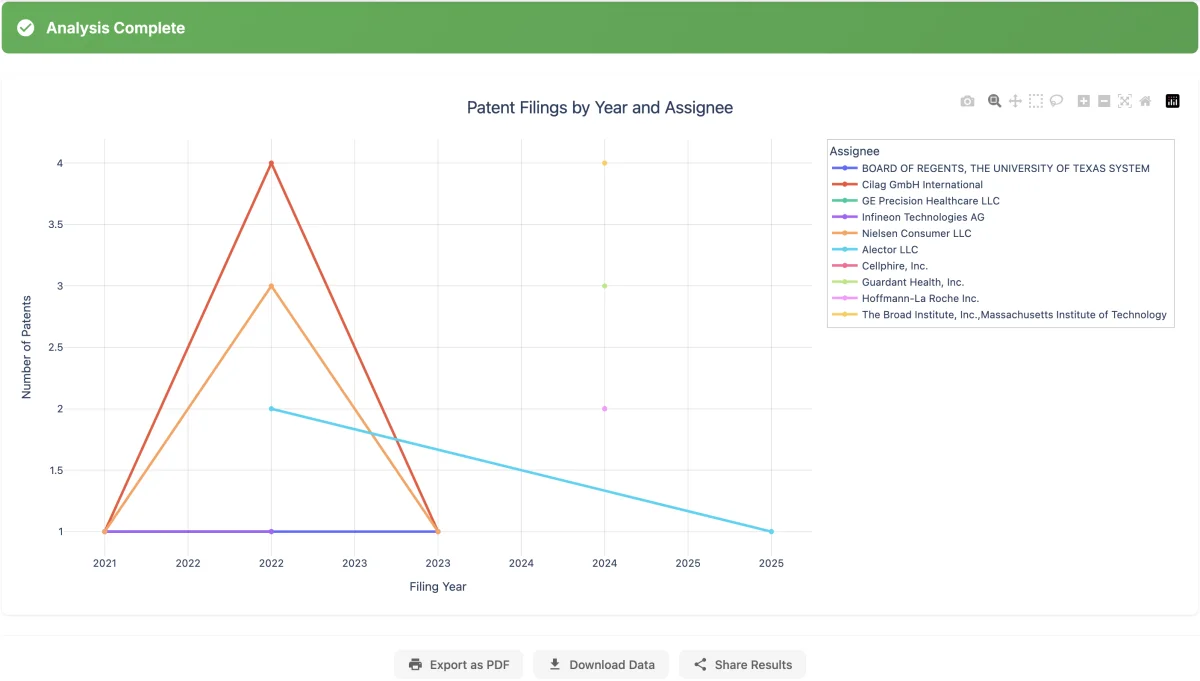
1. Patent Trends Over Time
Interactive timeline charts show filing patterns, helping identify:
- Emerging technology areas
- Competitor activity spikes
- Market timing opportunities
2. Competitive Landscapes
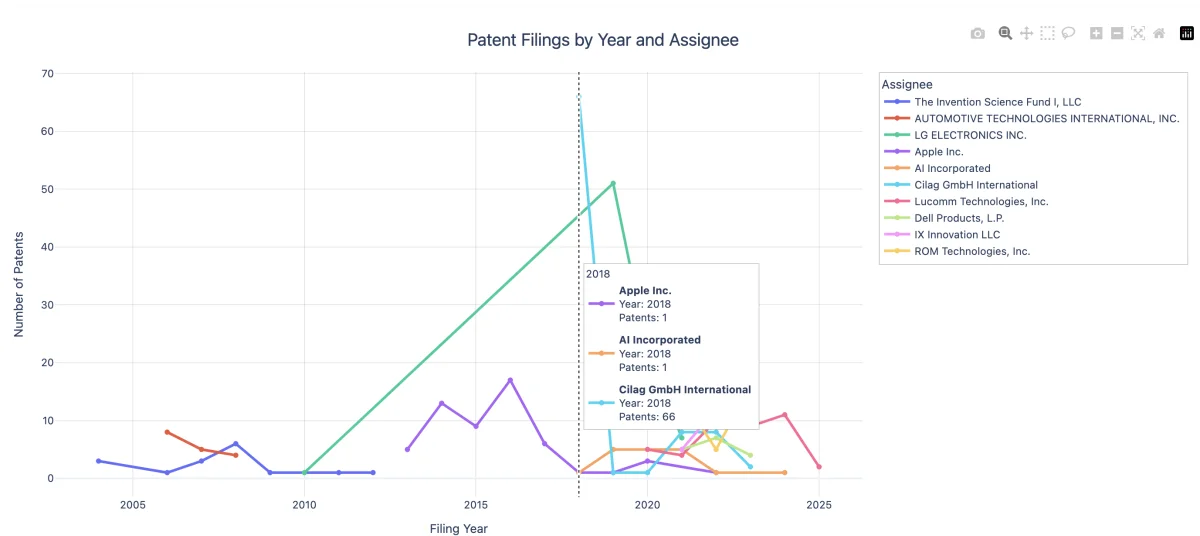
Visual mapping of patent portfolios reveals:
- Market leaders and their focus areas
- White spaces for innovation
- Potential collaboration opportunities
3. Technology Clustering
Advanced visualization groups related patents, making it easier to:
- Identify core technologies
- Spot convergence trends
- Plan R&D strategies
Real-World Impact
IP professionals using visual analysis tools report:
- 75% reduction in analysis time
- 60% improvement in client presentation effectiveness
- 40% increase in identifying new opportunities
Getting Started with Visual Patent Analysis
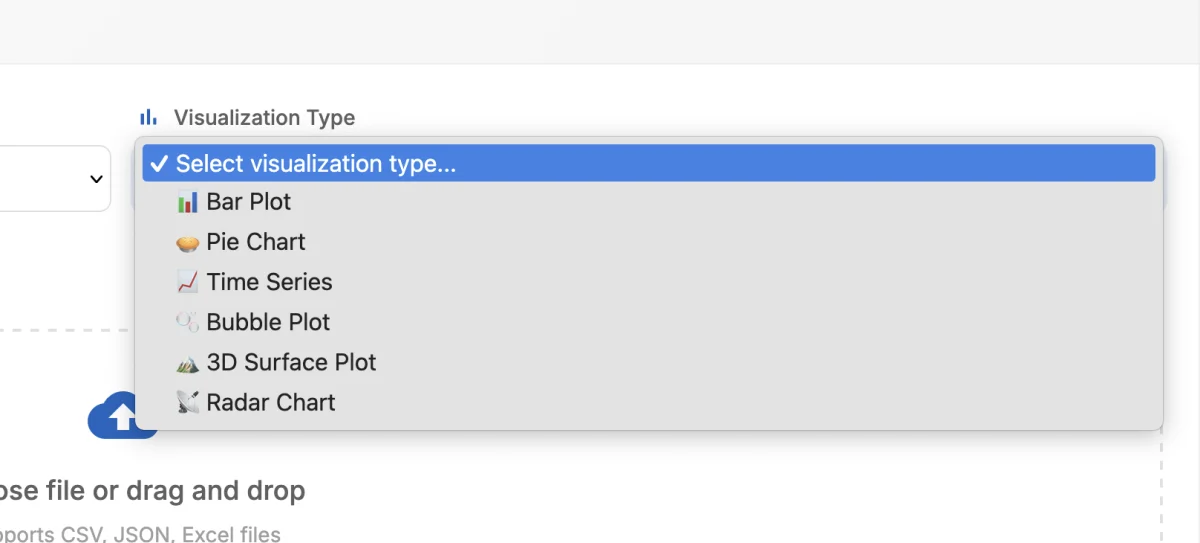
The key is choosing tools that work with existing free patent databases like USPTO, Espacenet, and Patent Lens. This approach provides powerful insights without expensive database subscriptions.
Conclusion
Visual patent analysis isn't just about making pretty charts—it's about transforming how we understand and communicate patent intelligence. As the volume of patent data continues to grow, visualization tools will become essential for staying competitive in the IP landscape.
Ready to transform your patent analysis workflow? Try our visual patent analysis tool today.